
Milk & Milk Drinks
Cappuccino vs Latte vs Flat White: Which Drink Will You Enjoy Most?
Cappuccino, latte and flat white all combine espresso and milk, but size and texture change the drinking experience. Café recipes vary, so the name alone is not enough. Decide how much coffee flavour and foam you want in your cup.
Key takeaways
- A cappuccino is commonly served in a smaller cup with espresso, steamed milk, and a noticeable layer of foam.
- A latte usually contains more steamed milk and a thinner layer of foam than a cappuccino.
- A flat white is generally served with silky, fine-textured microfoam and a stronger espresso presence than a larger latte.
What is a cappuccino?
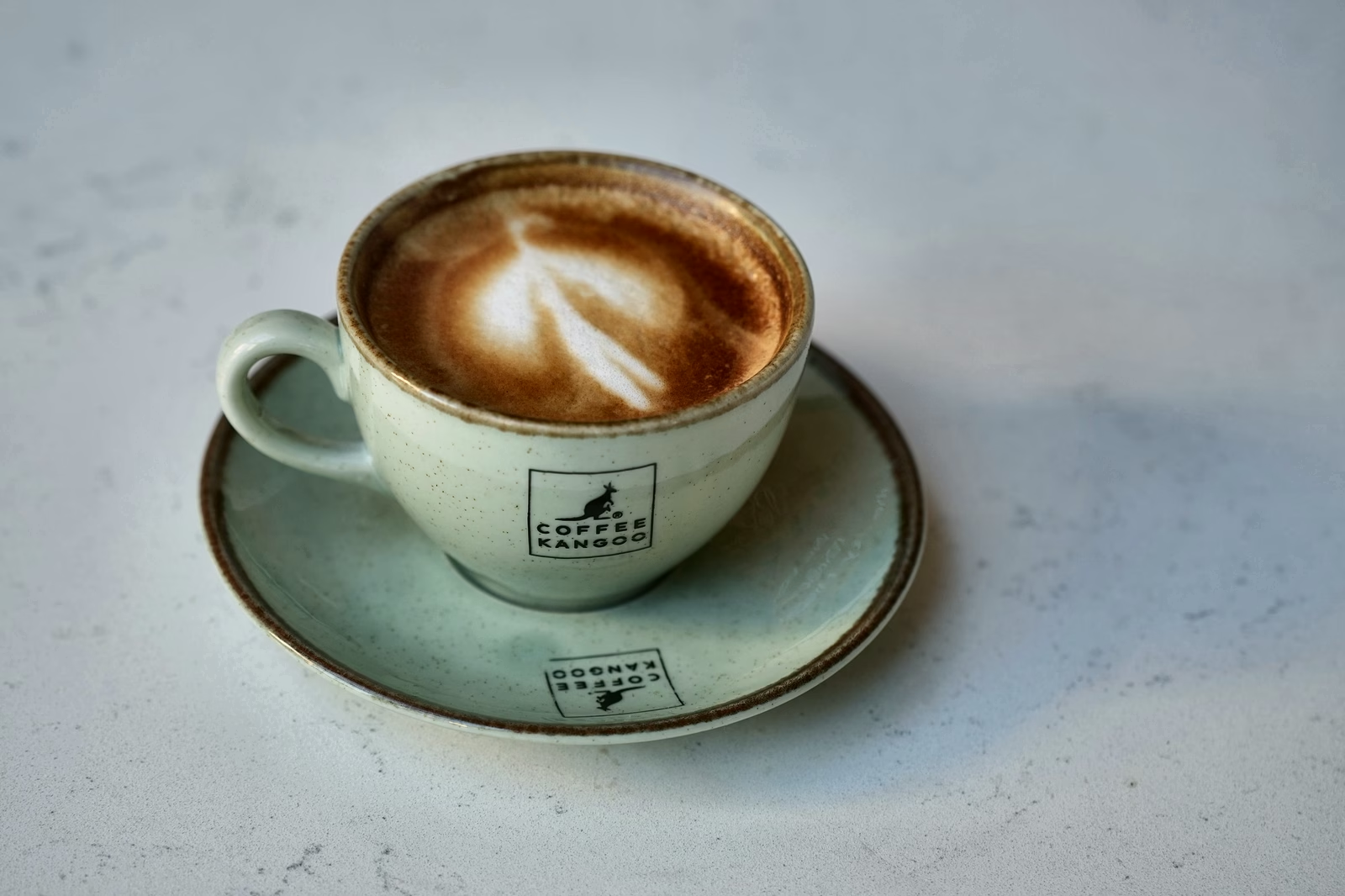
A cappuccino is commonly served in a smaller cup with espresso, steamed milk, and a noticeable layer of foam. The foam makes the drink feel airy, while the espresso remains easy to recognize. Some cafés serve a drier, foamier style; others make a smoother microfoam.
What is a latte?
A latte usually contains more steamed milk and a thinner layer of foam than a cappuccino. Its larger, milkier profile softens the espresso, which can make it a comfortable choice for someone who wants coffee flavor without a short, intense drink.
What is a flat white?
A flat white is generally served with silky, fine-textured microfoam and a stronger espresso presence than a larger latte. The exact size and espresso recipe depend on the café, so the distinction can be subtle. Ask how the shop prepares its version if you want to compare.
Which drink should you order?
Choose cappuccino for a foam-forward texture, latte for a milder and milkier cup, or flat white for a smooth texture with espresso still prominent. At home, start with a drink size and milk texture you enjoy, then adjust the amount of milk. Our guides explain how milk affects foam and ways to froth milk without a steam wand.
Compare the drinks by what you notice
Ask yourself three questions: How much milk do you want? Do you prefer visible foam or smooth microfoam? Should espresso dominate or soften into the drink? These preferences are more reliable than ordering by cup size alone, since cafés use different recipes and serving vessels.
If you are comparing two café versions, use the same espresso if possible and pay attention to milk texture and serving size. A cappuccino can be creamy rather than dry, and flat whites vary between shops; the names describe broad styles, not one exact formula.
Choose a home starting point
Make the drink you expect to enjoy most, then adjust milk in small amounts. Keep the espresso recipe steady while you learn the texture you prefer.
If you are ordering at a new café, describe the balance you want rather than assuming every shop uses the same definition. “More foam,” “more milk,” or “keep the espresso prominent” gives the barista a clear preference even when the menu terms overlap. Ask about cup size if that matters to you. For a fair comparison, taste each drink before adding sugar. Milk temperature also affects the first sip. Let each cup cool briefly before comparing its texture.
Further reading
For background on espresso and milk, see Wikipedia.
Back to Learn libraryFrequently asked questions
What is a cappuccino?
A cappuccino is commonly served in a smaller cup with espresso, steamed milk, and a noticeable layer of foam. The foam makes the drink feel airy, while the espresso remains easy to recognize. Some cafés serve a drier, foamier style; others make a smoother microfoam.
What is a latte?
A latte usually contains more steamed milk and a thinner layer of foam than a cappuccino. Its larger, milkier profile softens the espresso, which can make it a comfortable choice for someone who wants coffee flavor without a short, intense drink.
What is a flat white?
A flat white is generally served with silky, fine-textured microfoam and a stronger espresso presence than a larger latte. The exact size and espresso recipe depend on the café, so the distinction can be subtle. Ask how the shop prepares its version if you want to compare.