
Milk & Milk Drinks
How to Froth Milk Without a Steam Wand
Quick answer
You can make a milk drink without an espresso machine’s steam wand. A handheld frother or another suitable tool gives you options, although the texture will differ. Start with a small amount and choose a method that fits your kitchen.
Key takeaways
- You can make a milk drink without an espresso machine ’s steam wand.
- Warm the milk gently in a suitable container, then place the frother head just below the surface and switch it on.
- Add warm milk to a clean French press, leaving room for it to expand.
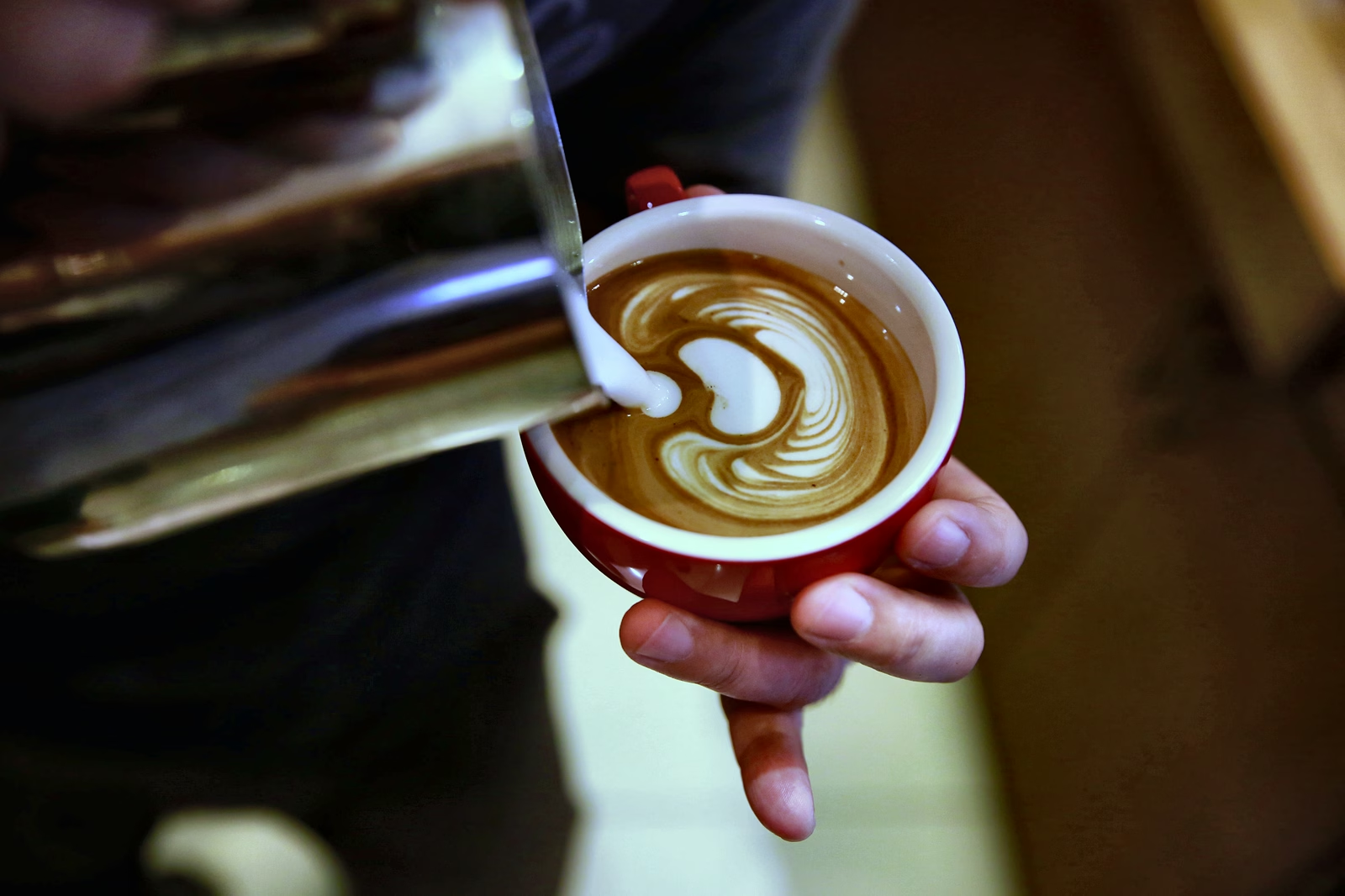
Use a handheld milk frother
Warm the milk gently in a suitable container, then place the frother head just below the surface and switch it on. Move it slowly through the milk until the foam reaches the texture you like. Keep the head submerged enough to avoid splashing and clean it after use.
Use a French press
Add warm milk to a clean French press, leaving room for it to expand. Move the plunger up and down steadily until bubbles form and the milk looks foamy. Do not fill the press to the top, and do not use a glass press with hot milk unless its maker says it is suitable for that use.
Try the jar method carefully
Pour cold milk into a clean jar with room to expand, close it securely, and shake until foamy. Never microwave a sealed jar. If you want warm milk, remove the lid and transfer the milk to a microwave-safe container before heating, or warm it in a pan while watching it closely.
Set expectations for texture
These methods usually produce a different bubble structure from steam-wand microfoam, so they may not pour latte art as smoothly. Dairy and plant-based milks also behave differently. See our pages on dairy-milk foam and plant-based milk in coffee for more guidance.
Choose a method for your equipment
A handheld frother is quick for one cup; a French press can foam a larger portion but needs room for the milk to expand; a jar works only when you keep it unsealed during heating. Never microwave a closed jar. Transfer milk to a microwave-safe container or warm it in a pan, then froth after it reaches a comfortable temperature.
Start with cold milk and a clean tool. Stop when the texture suits the drink instead of trying to create the tallest foam. The result can be enjoyable even if it is not silky enough for latte art.
Clean tools after use
Rinse frothers and pitchers promptly so milk does not dry on them. Follow care instructions for electrical parts and do not immerse a motorized handle in water.
Choose the French press method when you want to froth more than one small serving, and a handheld frother when speed matters for a single cup. The jar method needs the most caution because milk expands as it is shaken and heated. Leave generous room, never heat a sealed jar, and use a vessel intended for hot liquids. Clean each tool promptly. Follow its care label before washing.